
Design Thinking Workshops: Transforming Your Team’s Problem-Solving Skills
Design thinking workshops help teams identify challenges, brainstorm solutions, and prototype ideas using a human-centered approach. Here's how to run one.
**What Is a Design Thinking Workshop?**
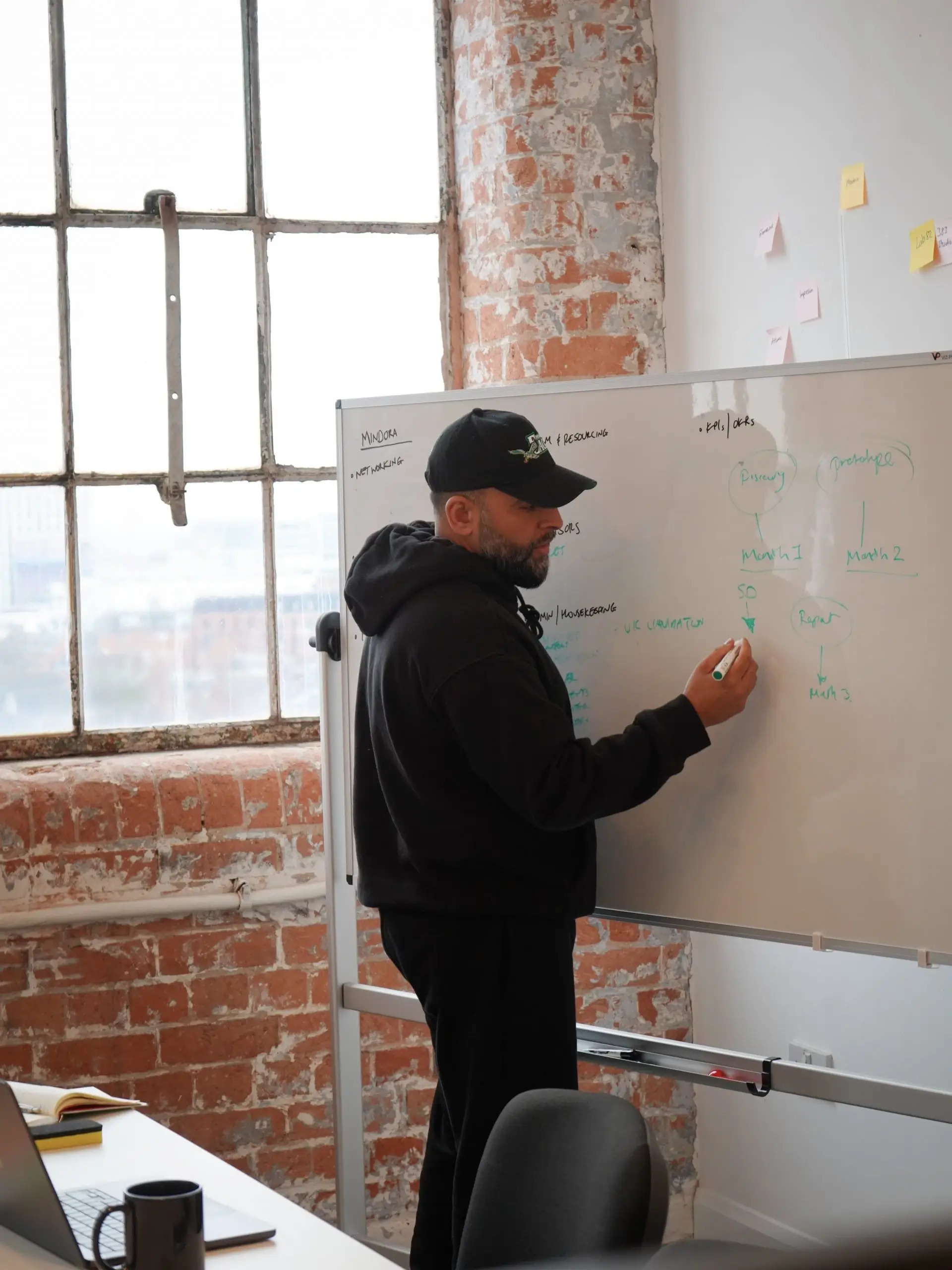
A design thinking workshop is an interactive session that helps teams identify challenges, brainstorm solutions, and rapidly prototype ideas using a human-centered approach. It encourages experimentation, feedback loops, and continuous improvement.
### Core Phases of a Design Thinking Workshop:
- Empathize – Understand the users and their pain points. - Define – Clearly articulate the problem to solve. - Ideate – Brainstorm a wide range of possible solutions. - Prototype – Create low-fidelity versions of the best ideas. - Test – Gather feedback and iterate based on real user needs.
## Why Your Team Needs a Design Thinking Workshop
By shifting focus from internal assumptions to user-centered insights, design thinking workshops empower teams to:
✅ Break down complex challenges into actionable steps ✅ Foster a culture of innovation by encouraging experimentation ✅ Improve collaboration across departments and stakeholders ✅ Reduce risk by testing and refining ideas before full-scale development ✅ Deliver user-centered solutions that drive business success
## Real-World Applications of Design Thinking Workshops
Industries across tech, healthcare, and finance have embraced design thinking to solve problems faster and more effectively. Here’s how teams use workshops:
- Product Development – Align teams on user needs before writing a single line of code. - Customer Experience (CX) Strategy – Improve engagement by addressing pain points. - Internal Process Optimization – Streamline workflows and eliminate inefficiencies. - Marketing & Branding – Craft messaging that resonates with target audiences.
## Common Challenges in Running a Workshop (and How to Overcome Them)
While design thinking workshops are powerful, they require structure and facilitation to be effective. Here are common hurdles and solutions:
❌ Teams resist change → ✅ Frame the workshop as a way to empower ideas, not replace existing expertise. ❌ Lack of clear outcomes → ✅ Define success metrics before starting the session. ❌ Ideas don’t get implemented → ✅ Assign accountability for follow-up actions post-workshop.
## The Future of Design Thinking in Business
As remote collaboration tools improve, virtual design thinking workshops are becoming more popular. Businesses are integrating AI-driven insights to analyze user data in real-time and refine solutions faster.
##
## Conclusion
Design thinking workshops are essential for teams looking to improve innovation, problem-solving, and user-centered product development. By embracing creativity and collaboration, businesses can drive meaningful changeand stay ahead in an ever-evolving market.
💡 Want to run a design thinking workshop for your team? Let’s design solutions together: Book a call

Martin Sandhu
AI Product Consultant
I help founders and established businesses build products that work. 20+ years in product and engineering.
Connect on LinkedIn