

2025 Retrospective: Lessons from Building UK Tech Products
Looking back on 2025 UK tech projects, the teams that shipped weren't the ones with the fanciest AI—they were the ones who did discovery, governance, and sustainable pace.
Insights
Practical thinking on product strategy, AI implementation and the reality of building digital products.

Looking back on 2025 UK tech projects, the teams that shipped weren't the ones with the fanciest AI—they were the ones who did discovery, governance, and sustainable pace.

Cloud bills creep up by default. FinOps brings finance, engineering, and product together to make cloud spend intentional—not a mystery tax.

AI-accelerated phishing, deepfake scams, and smarter malware are coming. The businesses that fare best won't have the fanciest tools—they'll have the basics nailed.

The most meaningful tech trend of 2026? AI becoming boring. Embedded, invisible, and quietly making everything faster.

AI can now generate code from plain English. But vibes are great for sketches—shipping real products still demands more than that.

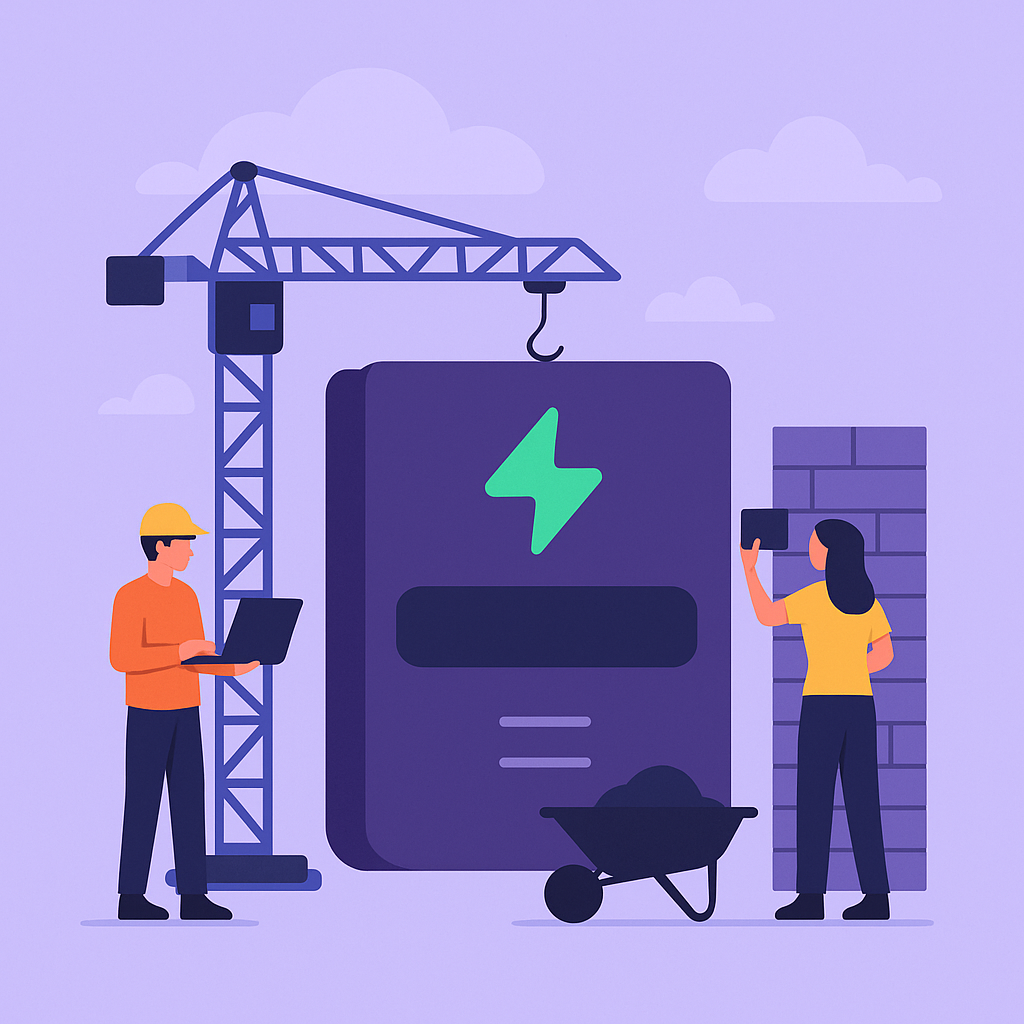
Large organisations are quietly using no-code to close the gap between what the business needs and what IT can deliver. It's grown up.

Startups win demo days, join accelerators, get glowing feedback—then stall. Escaping the incubator economy requires proving demand, not collecting logos.

You can't control Budget policy, but you can control how digitally fit your business is when it lands. Think of it like weather—buy a decent coat.

Manufacturers have been told data is the new oil. The reality often feels more like data is the new headache. Microsoft Fabric aims to change that.

A simple MVP costs £30k–£100k. A feature-rich product with integrations? £80k–£250k+. Here's what actually drives those numbers up or down.

Your team is probably already pasting customer data into AI tools. The productivity upside is huge—so is the compliance risk if you're not careful.

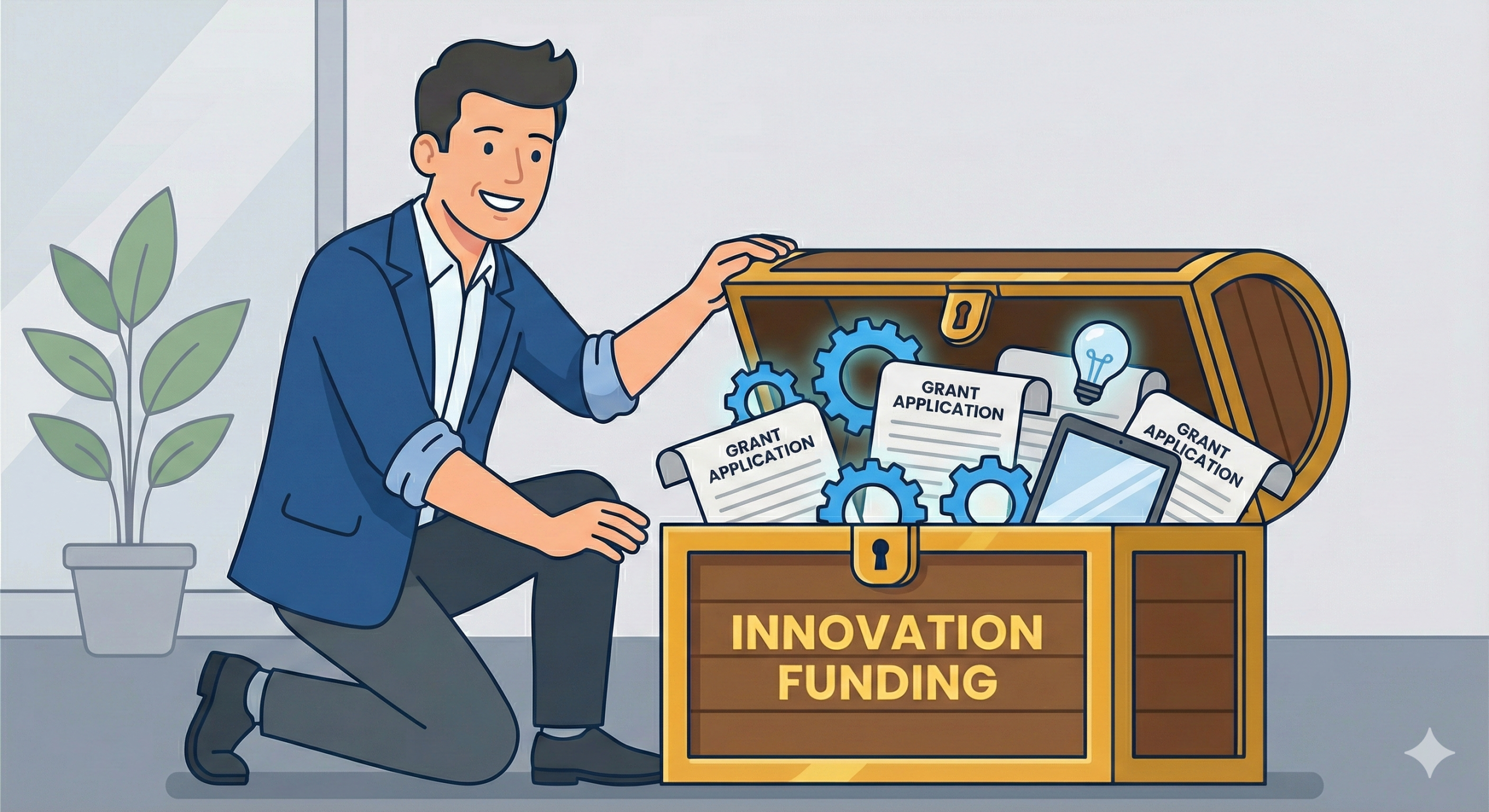
Grant applications look like exams you haven't revised for. But approached strategically, Innovate UK and R&D relief can be powerful tools.

Employment costs keep rising. The question isn't whether—it's what you're going to do about it. Automation, workflow redesign, and self-service are your levers.

FlutterFlow generates native mobile apps. Bubble powers web-first platforms. Here's how to choose the right no-code stack for your product.

AI agents don't just answer questions—they log in, fetch data, transform it, and push it where it needs to go. Think junior colleague, not chatbot.

A full-time CTO costs £180k–£220k per year. A fractional CTO? £72k–£180k with more flexibility. Here's when each makes sense.
Custom coding your MVP in 2025 isn't brave—it's reckless. For most early-stage ideas, you don't need engineering. You need learning.

ChatGPT-5 generates production-ready code at unprecedented speed. For founders, this isn't a model update—it's a strategic shift in how products get built.

Your AI-generated MVP works for demos. But scaling it without a rebuild? That's how you get a $200K surprise bill.

Traditional SEO optimises for keywords. Vibe SEO aligns your brand, product, and content so they convey a consistent signal to both algorithms and humans.

Rosebud AI turns natural language prompts into playable game prototypes. No coding background required—just describe what you want.

GitHub Codespaces, Windsurf, Reflex—each AI coding assistant has different strengths. Here's how to match the tool to your workflow.

Jitter creates motion graphics. Hostinger Horizons handles no-code hosting. Together, they're a fast route to polished, launch-ready products.

A spreadsheet works for ten users. What happens when thousands sign up? Supabase gives you enterprise-grade scalability with a low-code interface.

Users expect instant updates. Supabase's real-time engine lets your AI-generated app deliver live features without complex WebSocket setups.

Lovable builds full-stack apps. Bolt generates MVPs in hours. v0 creates polished UI components. Replit offers a complete dev environment. Here's how to choose.

Searches for vibe coding have grown 6,700%. A quarter of Y Combinator let AI write 95% of their code. Here's how non-technical founders can join them.

60% of 2024's failed startups burned through over $100 million. The old playbook no longer works. The new one? Lean teams, agile delivery, capital efficiency.

Startups used to hire to scale. Now they automate. AI isn't just a buzzword—it's infrastructure that lets small teams punch above their weight.

With VC funding down 35% from 2022 peaks, more founders are treating seed rounds as the entire runway—and building real businesses instead of fundraising machines.

More founders are raising $500k–$1.5M, building to revenue, and never looking back. Here's why the old raise-early-raise-often playbook is cracking.

The fastest learning happens in collaboration with your earliest users. Treating them like collaborators rather than consumers accelerates your path to traction.

90% of startups fail because they build products nobody wants. AI lets you kill a bad idea in 72 hours—not 12 months. Here's the framework.

Full-time C-suite hires are expensive and slow. Fractional leadership offers senior expertise on-demand—designed to scale with your business.

The era of bloated org charts is over. Today's best founders build lean teams that punch above their weight using cross-functional experts and AI.

Too many Web3 projects launch tokens on speculation, not substance. The smarter move? Build something first, validate it, then drop the token days before launch.

Many startups skip the most important step: understanding what users actually need. Design thinking isn't just creative—it's strategic.

AI, automation, and cloud infrastructure now let founders build scalable MVPs without big teams or big funding. We're entering a new chapter in entrepreneurship.

Agile isn't a process you adopt once you scale—it's a mindset you start with. Teams that embrace it reduce inefficiencies and build better products.

Building an app used to cost $60,000 and take months. MCP connects your app to data, tools, and APIs through a single protocol—changing what's possible for founders.

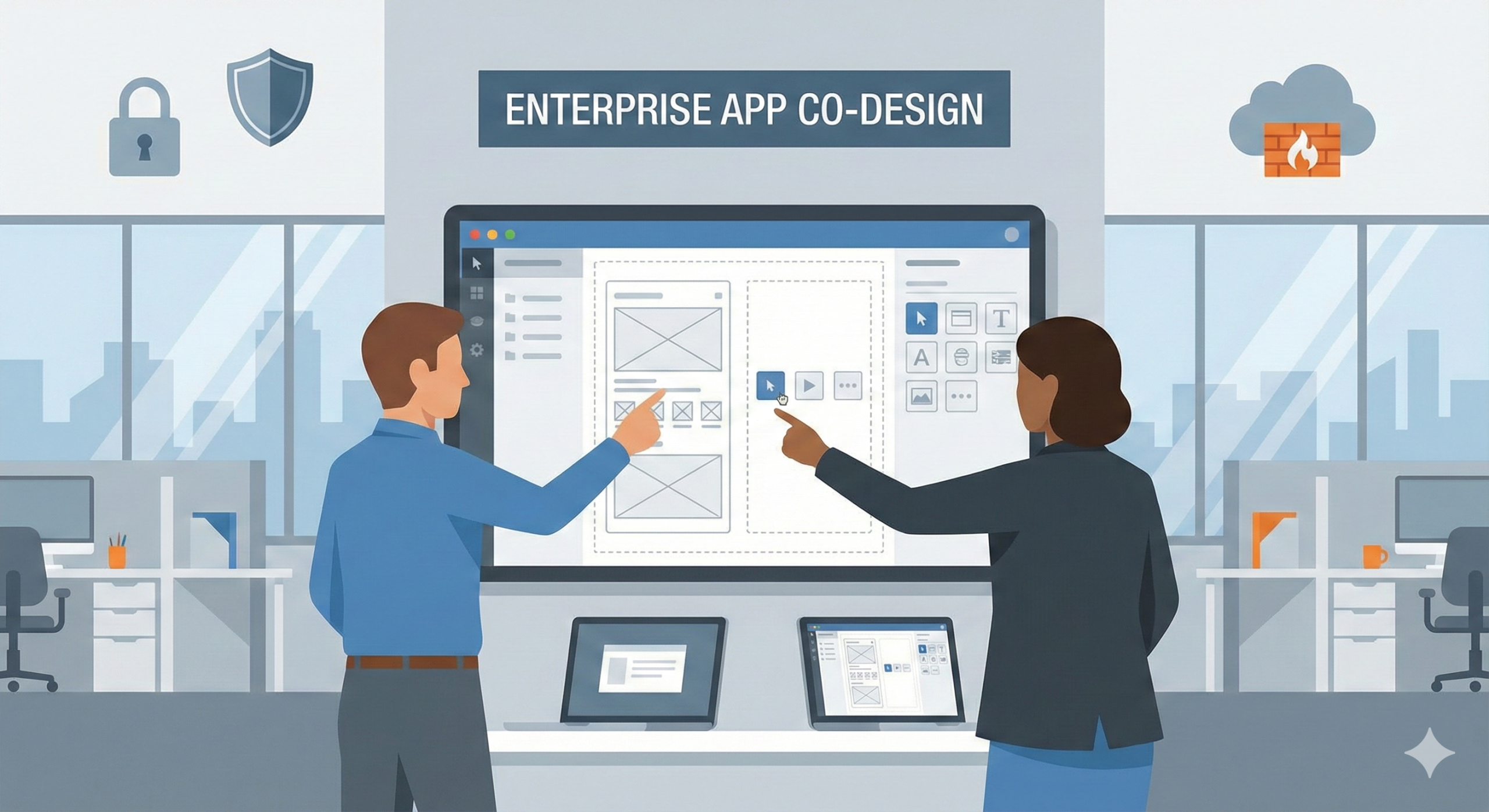
Design thinking workshops help teams identify challenges, brainstorm solutions, and prototype ideas using a human-centered approach. Here's how to run one.

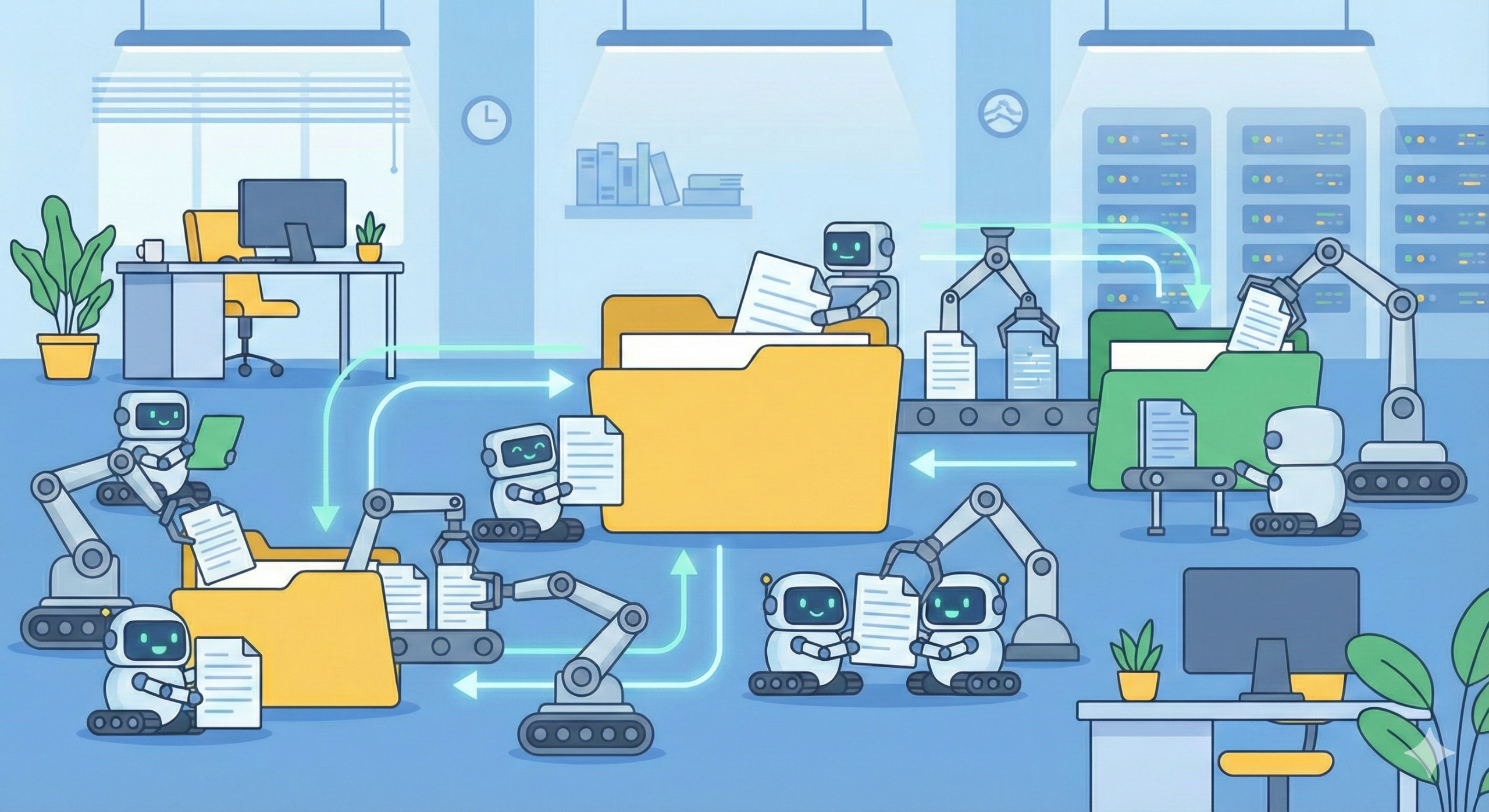
AI agents perform tasks without human intervention, learn from interactions, and handle complex workflows. Here are the top use cases for business.

Blockchain distributes data across networks, encrypts transactions, and prevents tampering. Here's how it enhances security and transparency in tech products.

Product-market fit happens when customers love your product and would struggle without it. Here are the key steps to get there—and the mistakes that prevent it.

AI can automate, predict, and optimise every stage of product development. Startups using it accelerate time-to-market and reduce costs.

dApps run on blockchain networks, making them more secure, transparent, and resistant to fraud. Here's how SMEs are using them.

Scaling a startup requires strategic technology planning that aligns with business goals. A tech strategy consultant ensures tech decisions drive business success.

Most early-stage companies don't need a full-time CTO—but they do need technical leadership. A fractional CTO fills that gap at a fraction of the cost.

AI agents, decentralised identity, tokenised assets—the intersection of AI and Web3 is creating groundbreaking opportunities. Here's what to watch in 2025.

When everything seems to work on paper but the product doesn't land, the root cause is usually a gap in understanding. Design thinking closes that gap.

Traditional funding is drying up. But it's not the end—it's a new beginning. Community-first models using Web3 and DAOs are flipping the script.

Rising costs, evolving regulations, selective investors. The UK tech companies that navigate this well treat grants, tax relief, and tech as levers—not background noise.

Rus Yusupov made more from his Vine token than selling Vine to Twitter. Crypto tokens are becoming a serious tool for raising liquidity—here's how.

90% of startups fail because they build products nobody wants. This 5-step AI validation framework helps you kill bad ideas in 72 hours—not 12 months.